

Subscribe to my Substack
Join me every Friday for personal reflections on leadership, community service, and the journey that led me to consulting. These posts are more personal than my website blog and share stories, insights, and lessons from my experiences partnering with mission-driven organizations.
Sign up to follow along and get each post delivered directly to your inbox.
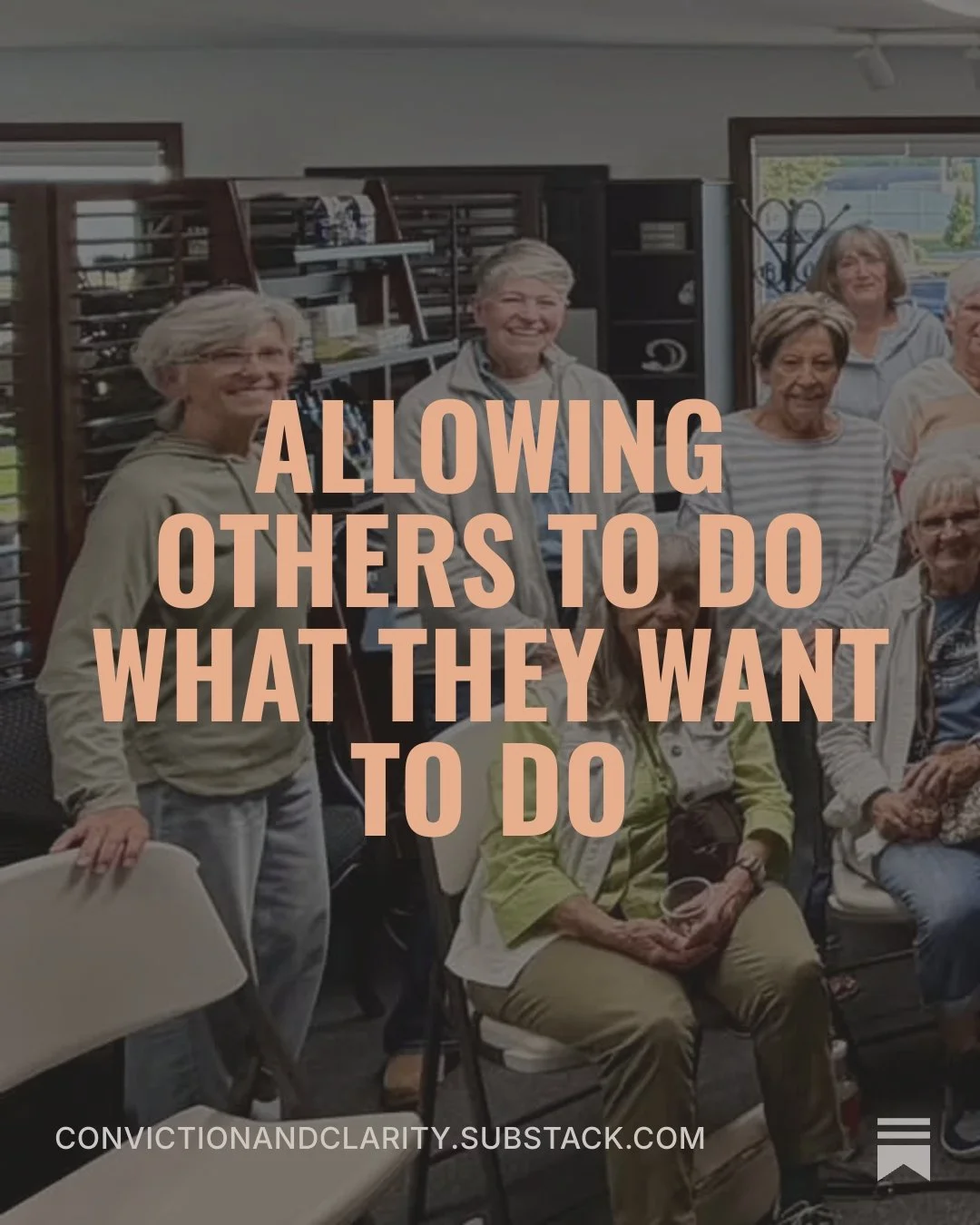
Inspiring Action Through Shared Vision: Why Persuasion Trumps Mandates in Leadership
Top-down mandates rarely inspire true commitment. To drive meaningful organizational change, leaders must move beyond directives and learn to pull people toward a shared aspiration. Explore how uncovering intrinsic motivations, defining a unique value proposition, and co-creating a compelling vision can turn reluctance into lasting engagement.
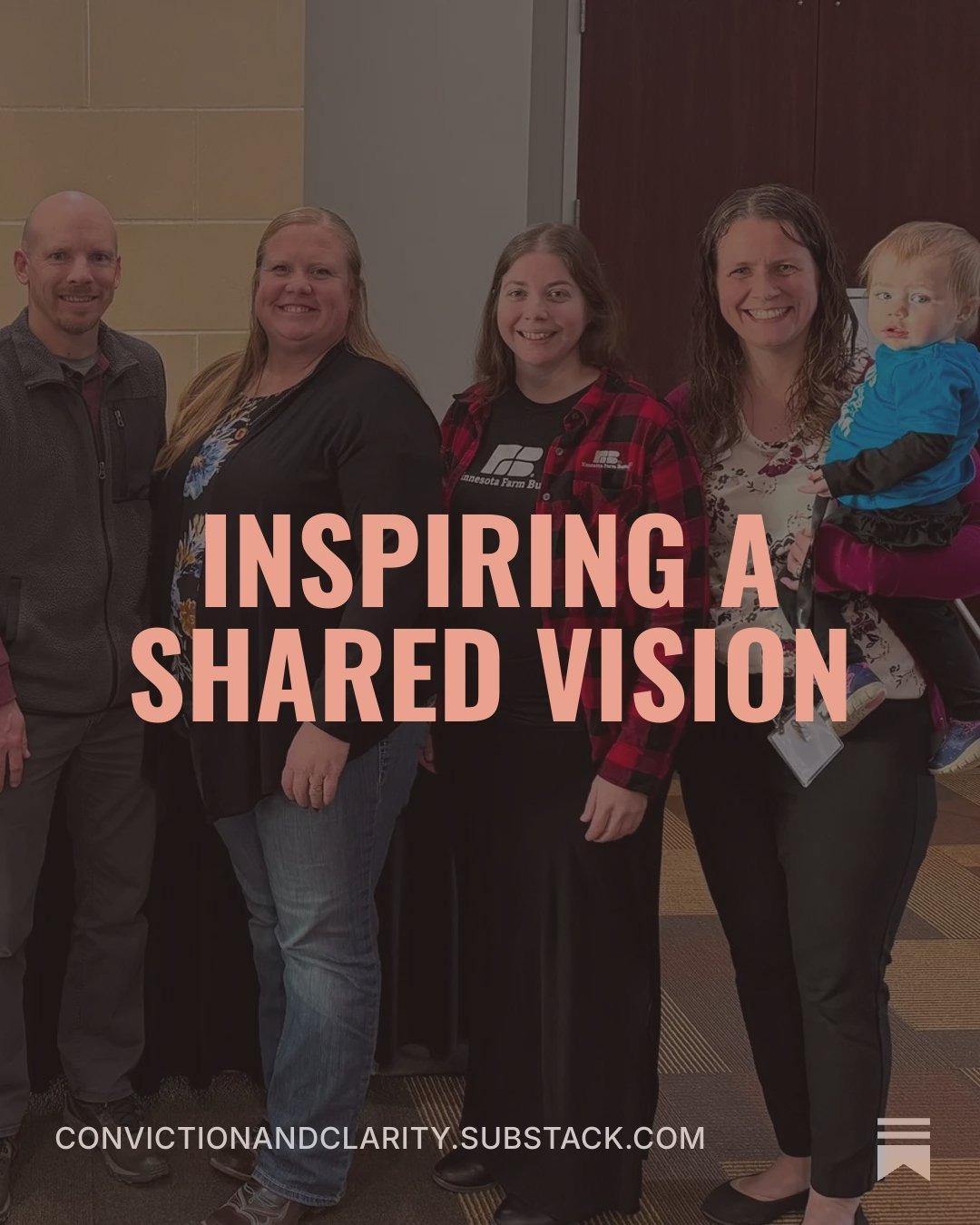
Strategic Leadership: How to Envision and Execute a Shared Vision
Strategic leadership requires more than top-down vision casting. To build organizational alignment, sustain high motivation, and navigate market uncertainty, executive leaders must master the art of collaborative vision-building. Discover how active listening, organizational purpose, and strategic clarity empower teams to turn long-term strategy into sustained competitive success.
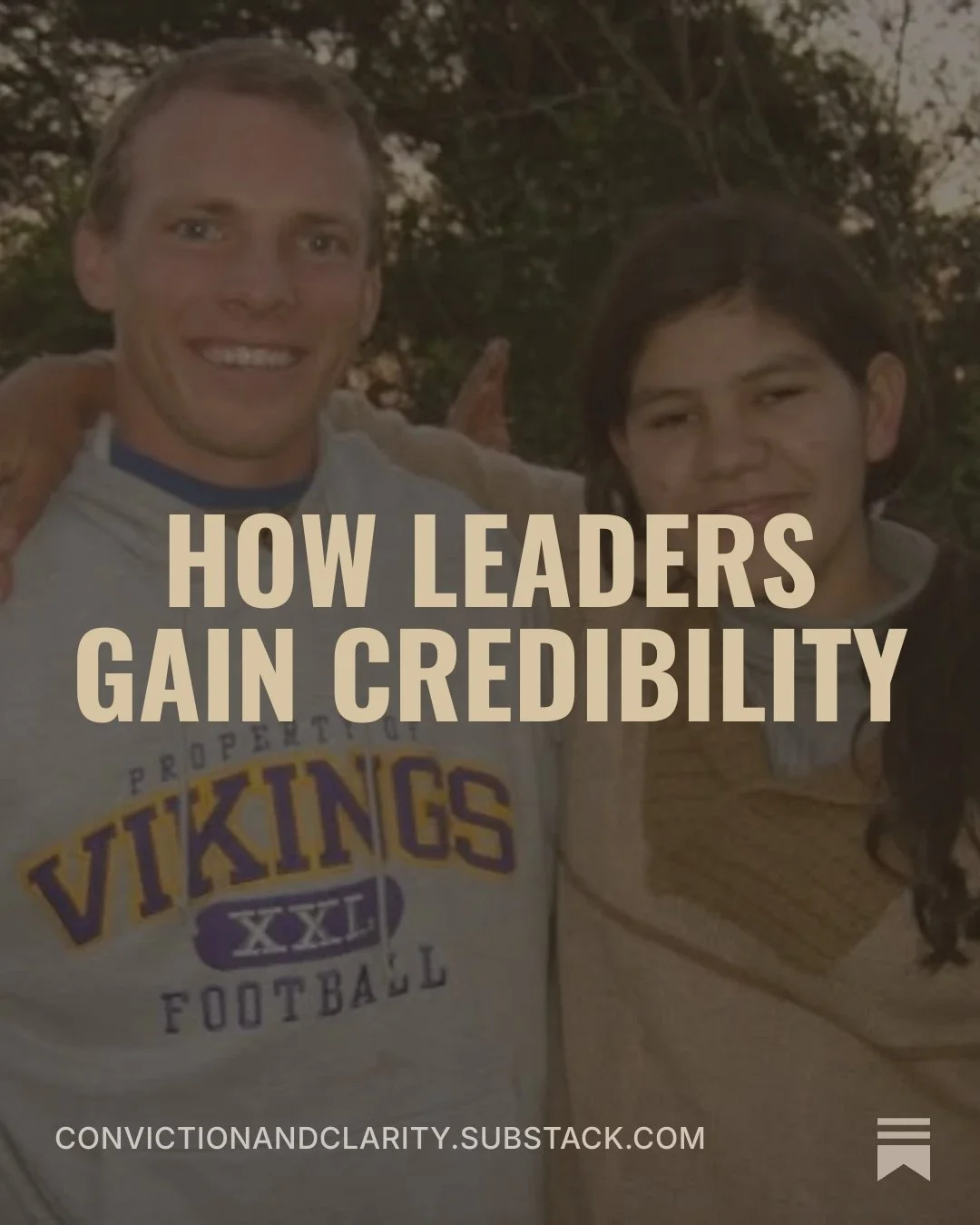
How Leaders Gain Credibility: The Power of Self-Awareness in Executive Leadership
Credibility is the foundational currency of effective leadership. To build authentic trust across your organization, honesty alone isn't enough—team members must clearly perceive the core values and strategic rationale behind your decisions. Learn how cultivating executive self-awareness through intentional disconnection, peer accountability, and daily reflection directly enhances your leadership credibility and drives organizational alignment.
Transforming Nonprofit and Church Leadership
Discover why effective leadership isn't about natural charisma, but intentional behaviors. Grounded in Kouzes and Posner’s The Leadership Challenge, learn how clarifying and modeling core values creates sustainable impact in churches and nonprofits.

The Leadership Challenge
In the purpose-driven sector, true leadership goes beyond managing operations—it’s about ethical stewardship and inspiring real impact. Discover how Kouzes and Posner’s The Leadership Challenge offers timeless insights for turning everyday obstacles into opportunities for growth.
Mastering Strategic Planning - Why I Created This 5-Step Framework, and What I Hope it Becomes
My self-guided process costs only $499! It is intended for leaders who want to move beyond the day-to-day grind. It is for leaders who know that something greater is in store for their organization and community, but need a little help getting there. It is for those who may have never done strategic planning before, and want to learn.

Building the Bench: Creating a Culture of Continuous Leadership
When I was the Executive Director at Great River Rescue, one of the most draining aspects of the job wasn't managing the budget or navigating board dynamics—it was the high cost of turnover. Every time a position opened, it felt like a grueling marathon... In hindsight, I often wish I had spent less time looking outside for 'perfect' savior candidates and instead invested more into keeping our people around—deliberately cultivating the raw potential already sitting in the room.

Passing the Compass: Crafting the Long-Term Transition
When you’ve been at the helm of a nonprofit for a long time, everyday operations become second nature to you—but they carry a steep learning curve for someone new. A smooth, planned transition isn't an abrupt exit; it’s a marathon that takes humility and intentionality. Whether you have a 12-month runway or are looking ahead to the future, here is how to strategically balance authority, align your board, and give your successor a "warm handoff" with major donors.

The Emergency Playbook: Preparing for the Sudden Exit
What happens if your organization’s top leader unexpectedly steps down tomorrow? We often talk about succession planning as a distant, multi-year strategic milestone, but real leadership means preparing for the unpredictable. Sudden transitions happen—not because of dramatic worst-case scenarios, but because life is complex. Medical leaves, sudden family relocations, or compelling new career opportunities can shift an organization’s leadership structure overnight. Responsible stewardship means ensuring the mission doesn’t grind to a halt when the unexpected occurs.

The Myth of the Indispensable Leader: Succession as Stewardship
Leadership transitions are the ultimate strategic vulnerability for Northern Minnesota nonprofits. When we treat exceptional leaders as irreplaceable, we inadvertently build fragile organizations. Discover why planning for your eventual absence isn’t a sign of disloyalty—it is the highest form of stewardship and organizational maturity.

Announcing Our "Double Your Impact" Summer Referral Program
This summer, we want to help more organizations in our community grow with purpose—and we want to reward you for helping us find them. Discover how our new "Double Your Impact" Summer Referral Program benefits both your network and a local cause close to your heart.

The Leader’s Role as Chief Mediator: Transforming Friction into Progress
Leadership isn't about avoiding friction; it's about mastering it. Discover how modeling vulnerability, utilizing strategic de-escalation tactics, and maintaining decisiveness can transform workplace conflict into a powerful vehicle for organizational growth and trust.

Engineering Healthy Conflict: Building Productive Friction Into Your Work Processes
Understanding the value of conflict is only half the battle. For leaders, the real challenge is practical. Discover three actionable ways to build productive friction into your everyday work processes without tearing your team apart.

Conflict: The Unexpected Engine of Organizational Growth
In part two of our series on leadership in nonprofits and churches, we explore the surprising truth: conflict isn't a sign of failure—it's an engine for innovation. From scientific breakthroughs in animal care to refining fundraising strategies, discover why the best leaders don't just manage conflict, they invite it.


The Long Trail Ahead
True leadership isn't about maintaining control; it’s about providing the tools, authority, and confidence your staff needs to step up. At its heart, the mission is the service of others. Without an authentic foundation of love and respect, your team will see through the performance, and your leadership will lack the trust necessary to weather difficult seasons.

Painting the Horizon
Many boards and leadership teams spend their hours fighting daily fires rather than charting a long-term course. At Mustful Strategic Consulting, we call the solution "Painting the Horizon." This post explores how to define a collective vision of success that is both inspiring and attainable, and why the secret to reaching that horizon lies in truly trusting your people to do what they do best.

The Servant’s Heart in the High Ground
Leadership in the North is not about the authority you hold; it’s about the trust you earn. By prioritizing a servant’s heart, you shift the focus from your own success to the collective success of your team, becoming the foundation that supports them rather than the figurehead at the top.

The Weight of the Compass: Why Leadership Matters
Leadership in the Northwoods isn’t just a title on a business card; it’s a civic duty. Moving from the urban bustle to the lake country of Northern Minnesota taught me that while the human spirit is constant, the land and the lifestyle shape the way we must lead. In Part One of this series, we explore the shift from urban 'risk' to rural 'stability' and why the burden of the compass ultimately rests on the guide's shoulders.

The Leader’s Playbook: Why Communication is the Ultimate Game-Changer
After 25 years as a soccer referee, I’ve learned that the most important action doesn't always happen during the play—it happens in how we communicate. In this edition of The Communication Imperative, I break down "The Leader’s Playbook" for mission-driven organizations. Discover why great communication starts and ends with the person holding the whistle, and learn five actionable strategies to ensure your team stays in sync and on sides.